


November 24, 2025No items found.


Atlanta, GA — November 24, 2025 — Recent policy actions by the U.S. Department of Education would exclude nursing and physician associate (PA) degree programs from the federal classification of “professional programs,” limiting access to higher student loan borrowing caps traditionally available to fields such as medicine, dentistry, pharmacy, law, and veterinary medicine.
Under the proposed rules, future students pursuing advanced clinical degrees—including Nurse Practitioner (NP), Doctor of Nursing Practice (DNP), Certified Registered Nurse Anesthetist (CRNA), and PA programs—may face reduced financial support, higher out-of-pocket costs, or increased reliance on private loans. These changes come at a time when the U.S. faces critical healthcare workforce shortages and rising demand for advanced practice clinicians across primary care, mental health, women’s health, and rural medicine.
At NPHub and NPHire, we believe this exclusion is both counterproductive and misaligned with the realities of patient care.
Nurses and PAs are essential to frontline healthcare delivery and represent two of the fastest-growing high-impact workforces in the country. Limiting access to advanced education risks shrinking the pipeline of clinicians, widening healthcare gaps in underserved communities, and creating unnecessary barriers to upward mobility for a profession historically powered by diverse, working-adult learners.
“Nurses and PAs aren’t just part of the healthcare workforce—they are the backbone of access to care in America. And we have a shortage…Any policy that makes it harder for these professionals to advance their education ultimately harms patients.”
— Krish Chopra, Founder & CEO, NPHub / NPHire
We stand with the American Nurses Association (ANA), American Association of Colleges of Nursing (AACN), and Physician Assistant Education Association (PAEA) in urging policymakers to reconsider the exclusion of nursing and PA programs from the professional degree category.
Why This Matters
- Advanced practice clinicians deliver a substantial share of primary care in the U.S.
- Student populations in nursing and PA programs are more likely to be working adults, career changers, first-generation college students, and women.
- Financial barriers limit diversity and reduce access to providers in rural and underserved areas.
Our Commitment
NPHub and NPHire will continue to:
- Support NP students through accessible clinical placements with flexible payment plans.
- Expand to support PAs in 2026
- Connect licensed clinicians with high-quality jobs nationwide.
- Advocate for policies that expand—not restrict—clinical career pathways.
We encourage policymakers to recognize the essential role of nurses and PAs in the health system and ensure they receive equal support as other professional degree programs.
For press inquiries:
🌐 www.nphub.com | www.nphire.com
Find a preceptor who cares with NPHub

Recent Post
 May 26, 2026How Much Do WHNP Earn in 2026 (+ How to Add Preceptor Income)See what WHNPs earn by state in 2026 and how practicing women's health NPs are adding income to their practice by precepting NP students through NPHub.Read More
 No items found.
 May 26, 2026Become a PMHNP Preceptor: The Highest-Need Specialty in NP EducationThe PMHNP workforce shortage is real and growing. See 2026 salary benchmarks and learn how practicing PMHNPs are adding income by precepting NP students.Read More
No items found.
May 26, 2026Become a PMHNP Preceptor: The Highest-Need Specialty in NP EducationThe PMHNP workforce shortage is real and growing. See 2026 salary benchmarks and learn how practicing PMHNPs are adding income by precepting NP students.Read More
No items found.
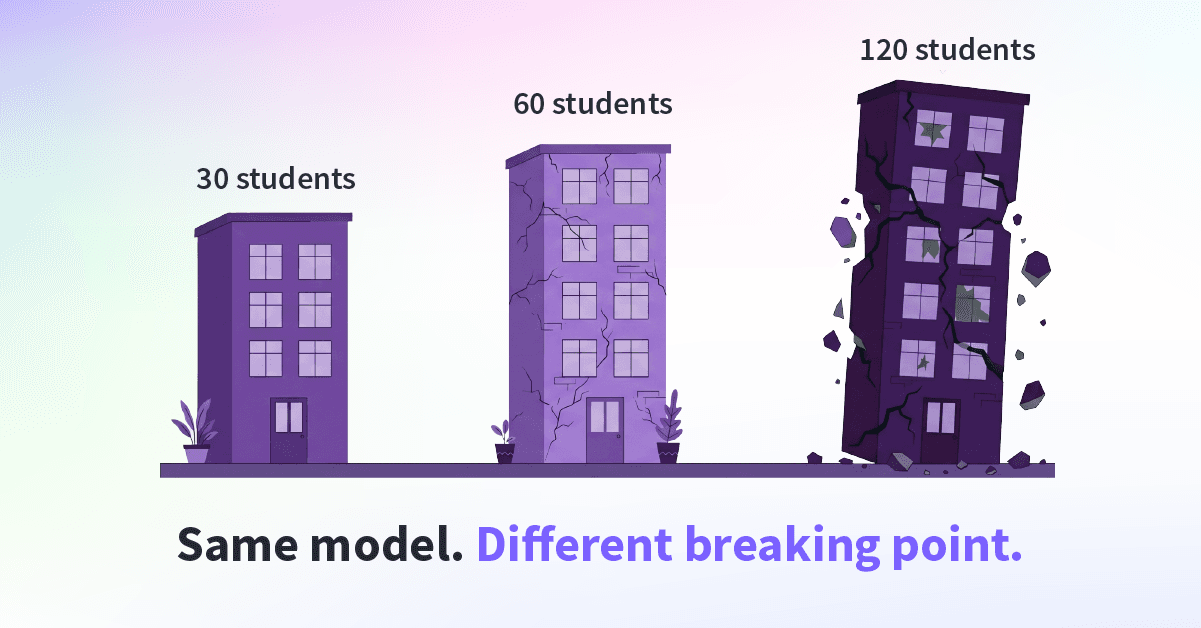 May 26, 2026Scaling Nurse Practitioner Programs Without Breaking the Clinical Placement SystemLearn why NP program growth strains clinical placements and how scalable preceptor recruiting protects faculty, accreditation, and growth.Read More
No items found.
May 26, 2026Scaling Nurse Practitioner Programs Without Breaking the Clinical Placement SystemLearn why NP program growth strains clinical placements and how scalable preceptor recruiting protects faculty, accreditation, and growth.Read More
No items found.